Sharks in Portugal: Species, Sightings, and Conservation
Portugal’s coastline, with its diverse and nutrient-rich waters, is home to several fascinating shark species. From the colder northern waters to the temperate southern coast, these magnificent predators play a crucial role in the country’s marine ecosystem. This article explores the diversity of sharks in Portuguese waters, common sighting locations, and the conservation efforts in place to protect them.
Shark Species in Portuguese Waters
Portugal hosts a surprising variety of shark species. Scientific studies have identified more than 30 different types. Some of the most notable include:
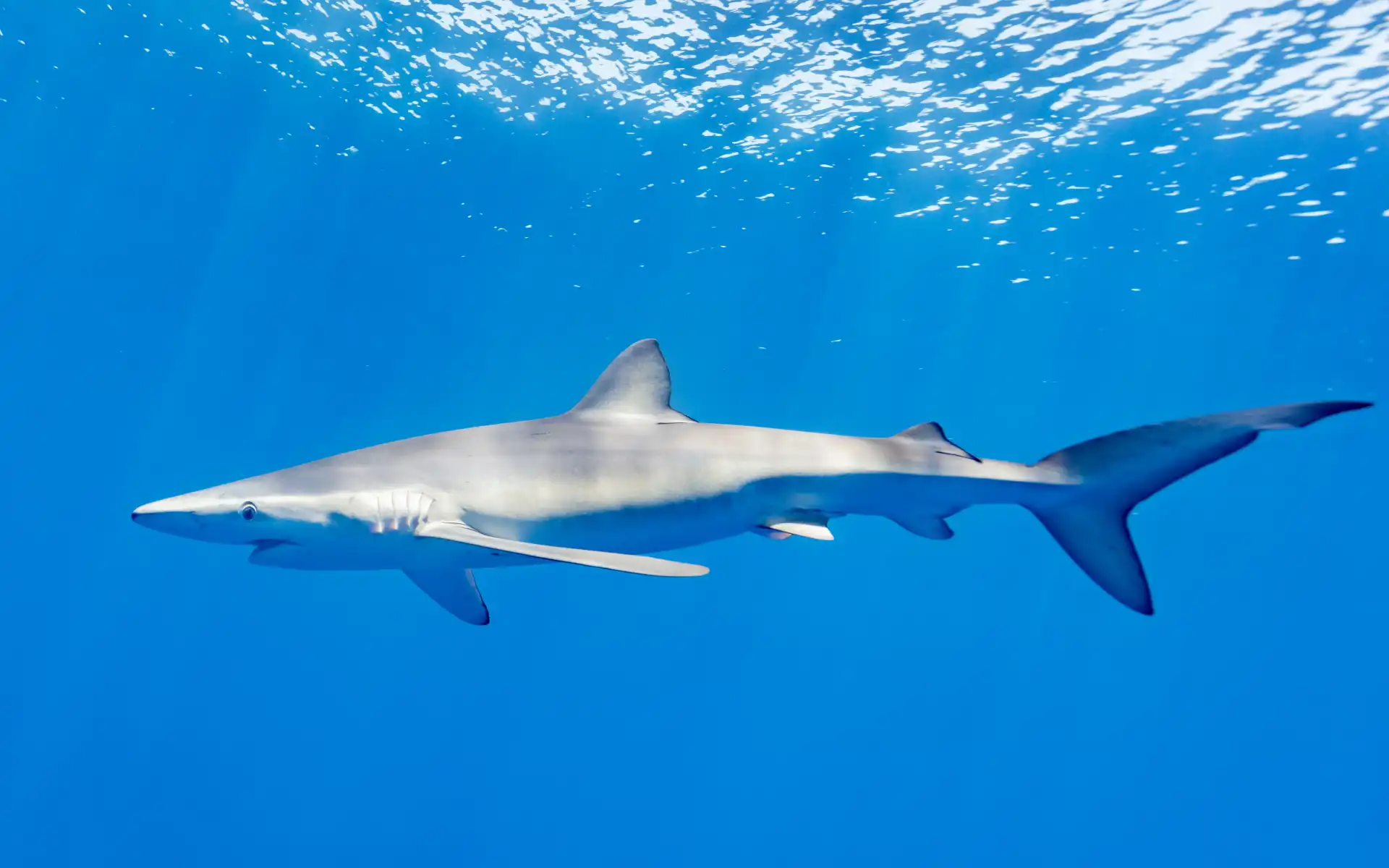
- Blue Shark: One of the most common species, the blue shark stands out with its deep blue back and white underside. It can grow up to 3.8 meters and is frequently spotted in oceanic waters, particularly around the Azores and Madeira.
- Tintureira: Another name for the blue shark in Portugal, this pelagic species is known for its agility and speed.
- Hammerhead Shark: With its distinctive hammer-shaped head, this impressive species is occasionally seen in the warmer waters of southern Portugal, including the Algarve.
- Shortfin Mako Shark: Known for its incredible speed, this shark inhabits oceanic waters off the Portuguese coast and can reach speeds over 70 km/h.
- Thresher Shark: Easily recognizable by its exceptionally long tail used to stun prey, it’s occasionally seen in deeper Atlantic waters.
- Great White Shark: Though rare, there have been occasional sightings of this iconic species near the Azores, usually during migration.
Shark Hotspots in Portugal
Shark distribution along the Portuguese coast isn’t uniform. Certain areas are known for higher concentrations:
- Azores Archipelago: The deep waters here provide an ideal habitat. It's known for diving spots where blue sharks, mako sharks, and occasionally whale sharks can be observed.
- Madeira Archipelago: Similar to the Azores, Madeira offers great conditions for multiple shark species, becoming a popular destination for divers.
- Algarve Coast: The warmer southern waters attract species like the thresher shark and, at times, the hammerhead.
- Sesimbra and Setúbal: The Setúbal Bay and nearby waters are known for the presence of various shark species, including the blue shark, thanks to the nearby Luiz Saldanha Marine Park.
Ecological Importance and Conservation
Sharks play a key role in maintaining the balance of Portugal’s marine ecosystems. As apex predators, they help regulate populations of other species, contributing to ocean health.
Conservation Challenges
Despite their importance, sharks face several threats in Portuguese waters:
- Overfishing: Many are accidentally caught in fishing gear intended for other species.
- Targeted Fishing: Some species are directly targeted for commercial purposes.
- Marine Pollution: Ocean contamination affects their health and habitats.
- Climate Change: Warming seas and shifting migration patterns pose additional risks.
Protection Measures in Portugal
Portugal has implemented several efforts to safeguard shark populations:
- Marine Protected Areas: Sites like the Luiz Saldanha Marine Park and reserves in the Azores and Madeira provide critical refuge.
- Fishing Regulations: Certain shark species are subject to quotas and capture restrictions.
- Monitoring Programs: Ongoing research helps inform conservation strategies.
- Public Awareness Campaigns: Educational efforts aim to promote shark conservation.
Sharks and Tourism in Portugal
The rise in ecotourism has turned sharks into important wildlife attractions:
- Shark Diving: In the Azores and Madeira, specialized operators offer shark observation dives, supporting local economies and sustainable practices.
- Scientific Observation: Citizen science programs let tourists participate in data collection, combining tourism with scientific contribution.
Myths and Realities
There are many myths about sharks in Portugal that need clarifying:
- Human Attacks: Extremely rare, with only a few incidents recorded over decades.
- Aggressiveness: Most species in Portuguese waters are not dangerous to humans.
- Coastal Presence: While some species may approach shorelines, most prefer deeper, offshore waters.
Sharks are a vital and fascinating part of Portugal’s marine biodiversity. Their presence not only indicates healthy ecosystems but also offers opportunities for sustainable ecotourism and conservation.
As Portugal continues to protect these misunderstood species, future generations will have the chance to marvel at these magnificent creatures in their natural habitat.
For those eager to explore the Portuguese marine world, including its sharks, Daydream Experience offers unique opportunities to encounter and appreciate these animals responsibly and sustainably.
Related Adventure Logs
Baleeira Beach: A Peaceful Retreat on Sesimbra's Coast
Nature Photography: Capturing Portugal’s Coastal Wildlife
Dolphin Watching Experiences in Sesimbra